
The first GLP-1 pill for weight loss is now sitting on pharmacy shelves across the US, and it's changed the conversation around weight management almost overnight. But a prescription pill isn't a fit for everyone, and cost and access still stand between millions of people and that option. If you're weighing your choices, curbing daily cravings and building steadier appetite habits is still one of the most useful things you can do right now, with or without a prescription in hand.
What Just Changed With GLP-1 Pills?
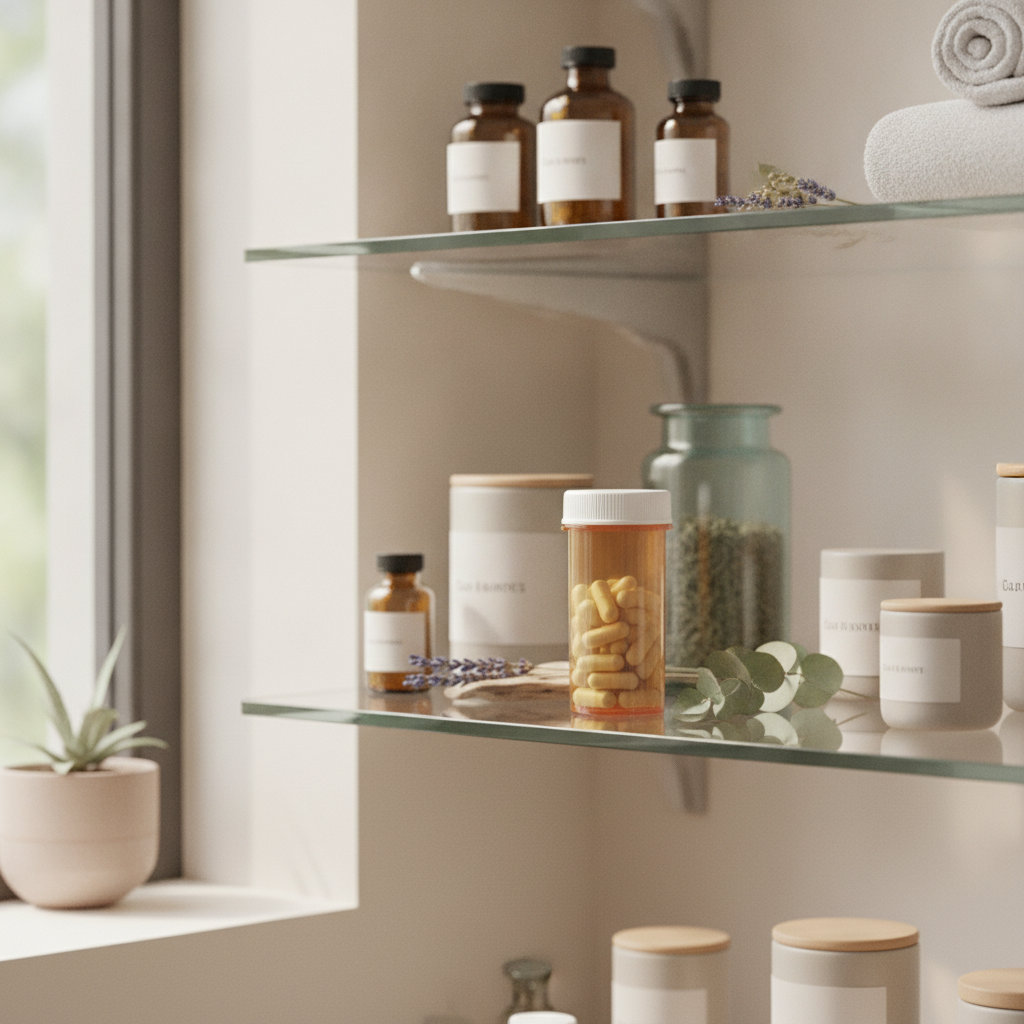
The FDA approved the Wegovy pill, a once-daily oral semaglutide, to reduce excess body weight and help maintain weight reduction long term, making it the first oral GLP-1 receptor agonist therapy approved for weight management. It became available in pharmacies nationwide in January 2026, offering the same GLP-1 science in pill form for the first time, aimed at the more than 100 million Americans living with obesity.
Self-pay patients can start around $149 a month for the starter dose, with the 4 mg dose priced similarly through mid-April before rising, and the highest doses reaching $299 a month. Commercially insured patients may pay as little as $25 a month under the manufacturer's savings offer, though that depends heavily on individual coverage.
Is the GLP-1 Pill Right for Everyone?
No — a prescription pill is still a medical treatment, not a lifestyle swap, and it comes with real requirements and tradeoffs. It's approved specifically for adults with obesity, or overweight plus a weight-related health condition, and it's meant to be used alongside a reduced-calorie diet and physical activity, not instead of them.
Cost is also still a live concern: one expert noted that effective doses of the oral pill will likely run more expensive than the advertised starting price. Gastrointestinal side effects, needing an ongoing prescription, and the reality that pills work differently for different bodies all mean this is a decision to make with a healthcare provider, not a headline.
Why Cost and Access Still Stand in the Way

Roughly 22% of US adults who aren't currently on a GLP-1 medication say they're interested in trying one for weight loss. That's a lot of curiosity — but curiosity doesn't erase a monthly bill. Even the new pill's lower starting price is still notably less than injectable versions, and higher doses are expected to cost more, which means many people will land somewhere between $149 and $299 a month depending on their prescription.
Add in the fact that insurance coverage for weight-loss medications is inconsistent, and a lot of people are left in a familiar spot: interested, informed, and still not able to start today. That's exactly where daily habits carry the most weight.
The In-Between: What to Do While You Decide

If a prescription isn't part of your plan yet — whether that's a cost question, a wait-and-see approach, or simply not being a candidate — the in-between period is still worth managing well. Cravings don't pause while you research; they show up mid-afternoon, after dinner, and on stressful days regardless of what's next on your health timeline.
This is where a gentle, herbal approach to appetite habits can genuinely help. VYNEHERB's MooMoo Jelly is designed as an on-the-go craving check-in — a small, herbal jelly you can reach for in the moment a craving hits, instead of reaching for whatever's closest. It's not a substitute for any medication and it won't do what a prescription drug does; it's simply a habit-support tool for the moments that make or break a day.
Building Better Appetite Habits, With or Without Medication
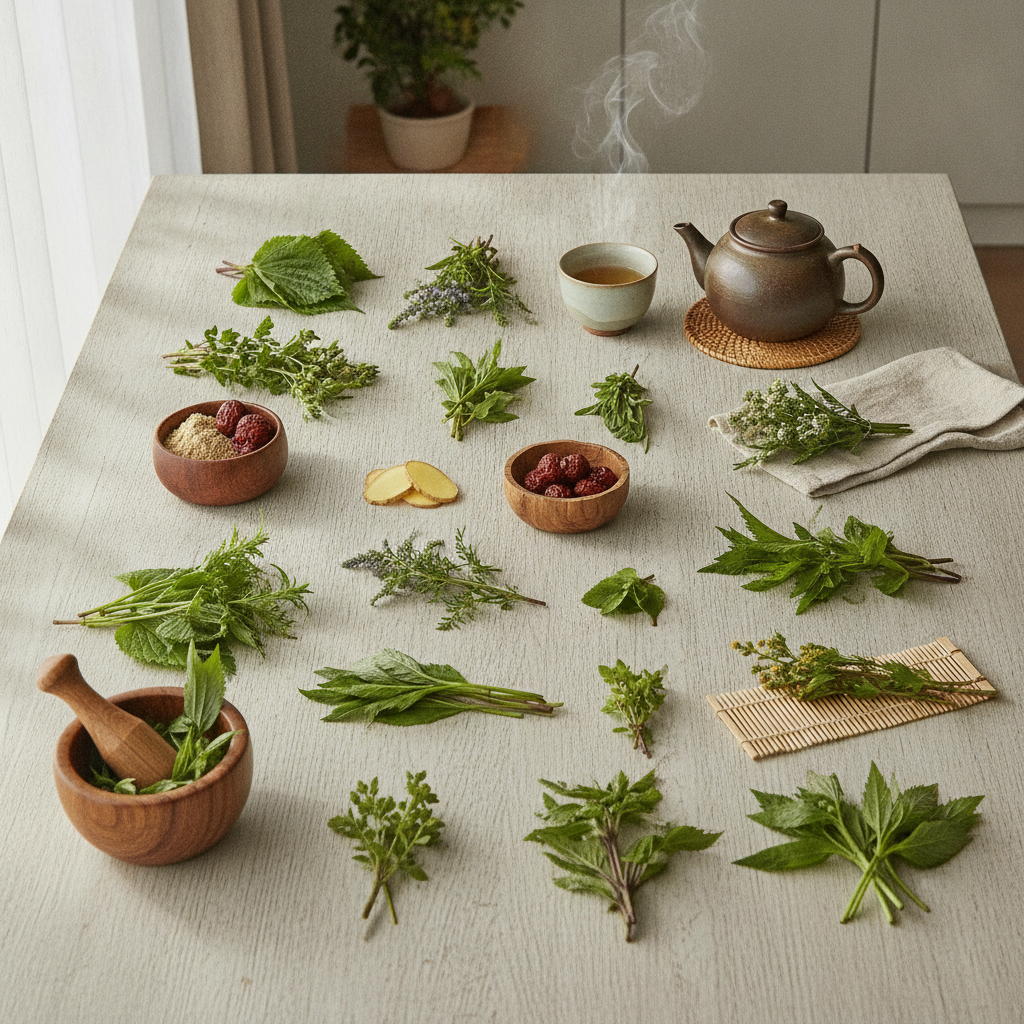
Traditional Korean herbal wisdom, or hanbang, has long approached appetite and digestion as connected systems rather than one switch to flip. That whole-body view still holds up: sleep, stress, meal timing, and what you reach for between meals all shape how hungry — or how satisfied — you feel.
- Anchor meals with protein and fiber so blood sugar stays steadier between them.
- Keep a low-effort craving tool on hand for the 3 p.m. slump or after-dinner pull.
- Track patterns, not perfection — cravings tied to stress or poor sleep need different support than true hunger.
- Loop in a healthcare provider before starting any new supplement or medication, especially if you're also considering a GLP-1 prescription.
Frequently Asked Questions
Is the new GLP-1 pill the same as Ozempic or Wegovy injections?
It uses the same active ingredient, oral semaglutide, and clinical data suggests weight loss results similar to the injectable version when taken consistently. It's still a prescription medication with its own dosing schedule and requirements, so it should be discussed with a doctor rather than compared casually to other options.
Can herbal supplements replace a GLP-1 medication?
No. Herbal supplements like MooMoo Jelly are designed to support everyday appetite habits and cravings, not to replace, mimic, or match the effects of any prescription drug. They're a different lane — gentle, daily support — not a medical treatment.
What should I do if I'm not ready or able to start a GLP-1 pill yet?
Focus on the habits within your control: steady meals, sleep, movement, and a plan for cravings when they hit. A herbal habit-support tool and a conversation with your healthcare provider are both reasonable places to start while you decide what's next.