
No, Kim Kardashian has never publicly confirmed or denied using Ozempic, Wegovy, or any other GLP-1 medication. What she has talked about, repeatedly and on the record, is cutting sugar, training hard, and losing weight through daily habits — most famously the 16 pounds she said she lost in about three weeks to fit into Marilyn Monroe's 1962 dress for the 2022 Met Gala. That single anecdote reshaped how millions of Americans talk about weight loss, appetite, and now, GLP-1 drugs. It's worth separating what her story actually shows from what the headlines assume.

Does Kim Kardashian Use Ozempic?
No — as of now, Kardashian has not publicly confirmed using Ozempic, Wegovy, or any GLP-1 receptor agonist. She attributed her 2022 Met Gala weight loss to dietary changes and exercise. Interestingly, her mother, Kris Jenner, has publicly discussed her own GLP-1 use, adding fuel to ongoing media conjecture about the rest of the family. Yet across Kim, Khloe, Kris, Kourtney, Kylie, and Kendall, no public confirmation of GLP-1 use exists — a detail that gets lost every time a new before-and-after photo circulates. Whatever the truth turns out to be, her story created a cultural flashpoint that reshaped how millions of people think about GLP-1 medications.
The Three Weeks That Started the Whole Conversation

The story that launched a thousand headlines happened in May 2022, when the Met Gala catalyst hit — Kardashian's now-famous account of shedding weight fast to wear a piece of fashion history on the red carpet. The trouble is that the timeline doesn't match how GLP-1 drugs actually work in the body. GLP-1 medications produce roughly 10-15% body weight reduction over 68 weeks in clinical trials, not 16 pounds in 21 days. Whatever combination of methods was involved, rapid losses attributed to these drugs in celebrity contexts almost certainly reflect caloric restriction, dehydration protocols, or both. That gap between the headline number and the clinical reality is exactly why the anecdote keeps resurfacing — it's dramatic, it's fast, and it sets an expectation that most bodies, and most medications, simply can't match.
Why Her Name Keeps Coming Up in the GLP-1 Conversation
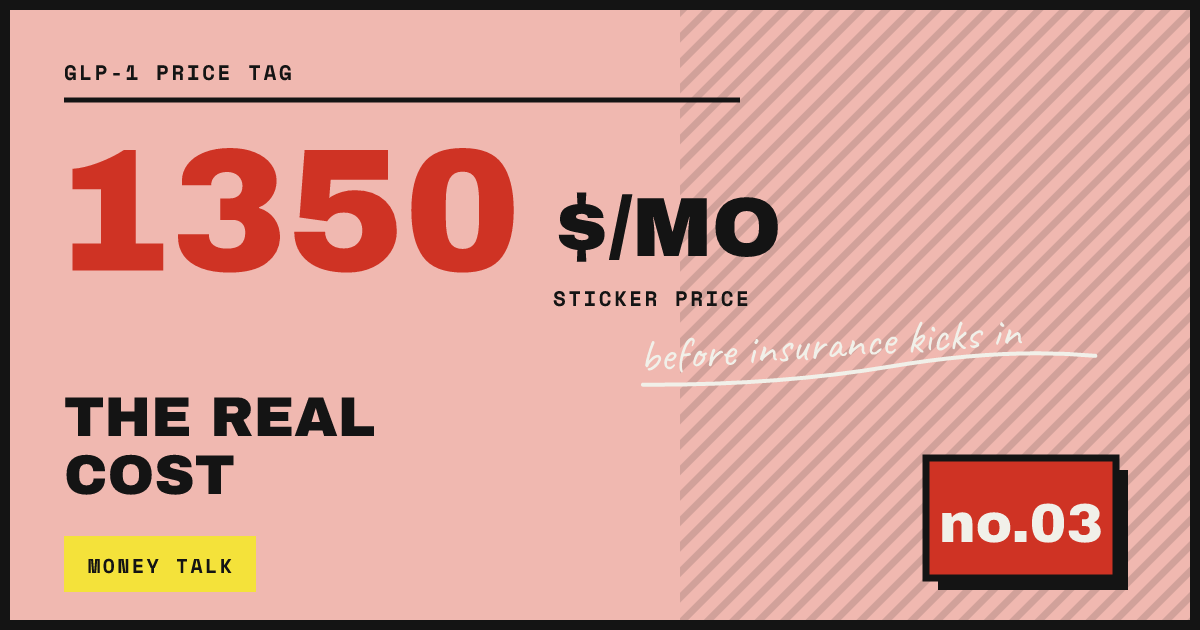
Kim Kardashian's name has become shorthand for a much bigger, much less glamorous story: the cost and reality of GLP-1 drugs for everyday people. The sticker price of a brand-name GLP-1 is roughly $1,000 to $1,350 per month at list price, though manufacturer direct-to-consumer programs now sell the drugs for roughly $199 to $449 a month depending on dose. Medicare is entering the picture too — CMS began offering eligible beneficiaries access to certain GLP-1 medications for $50 per month starting July 1, 2026. Side effects are part of the honest conversation as well: nearly half of patients experience nausea, and the "off-ramp" question looms large, since two-thirds of lost weight returns within a year of discontinuation in trial data. None of that is a reason to fear these medications — it's simply the context that a celebrity soundbite never includes.
What Do the 2026 Headlines About Her Weight Loss Actually Show?
They show a shift away from mystery and toward method. More recent coverage describes a slower, more ordinary story: Kim Kardashian reportedly lost 21 pounds by cutting sugar and training with a sauna suit, guided by a trainer rather than a single dramatic deadline. It's a smaller number than 2022's headline-grabbing 16-in-three-weeks, but it's also a far more repeatable one — built on daily food choices and consistent workouts rather than a crash sprint toward a red-carpet moment. That's the version of the story most of us can actually learn from.
Where Herbal, Habit-First Support Fits In
South Korea's wellness culture has spent the last year leaning into exactly this idea — pairing centuries-old herbal wisdom with modern science rather than chasing overnight transformation. South Korea has emerged as a hub where traditional hanbang herbal medicine meets cutting-edge, preventative approaches to health. That's the lane VYNEHERB lives in, too. We're not a substitute for a prescription and we're never going to promise a Met Gala-style number on a scale. What we do offer is daily, gentle formulation designed to support appetite habits and metabolic wellness over time — for people who'd rather build a sustainable rhythm than chase a headline. If steady, everyday metabolism support is what you're after, our Slim Effector metabolic support is formulated with that slower, habit-first approach in mind. As always, talk with a healthcare provider before starting any new supplement, especially if you're also considering or currently using a prescription medication.
Frequently Asked Questions
Has Kim Kardashian confirmed she used Ozempic?
No. She has never publicly confirmed using Ozempic, Wegovy, or any GLP-1 medication, and has attributed her most talked-about weight loss to diet changes and exercise.
How much do GLP-1 drugs cost in 2026?
List prices run roughly $1,000 to $1,350 a month, though manufacturer discount programs and a new Medicare pilot have brought real-world costs down to as little as $50 to $450 monthly for some patients. Actual pricing depends heavily on insurance coverage and eligibility.
Can herbal supplements replace GLP-1 medications?
No. Herbal supplements are not equivalent to, and should never be used as a replacement for, prescription GLP-1 medications. They can offer gentle daily support for appetite habits as part of an overall wellness routine, but any decision about starting or stopping a medication should be made with a healthcare provider.