
Modern appetite suppressants in Korea use a long list of traditional ingredients and this practice endorses the fusion of ancient wisdom and modern science. Across the globe we see the demand for natural and effective solutions for weight loss on the rise. South Korea has become a leader in developing some highly successful appetite suppressant Korea formulations. These formulations draw immensely from the health benefits of the traditional Korean ingredients.
The Roots of Traditional Korean Medicine
Traditional Korean medicine has been built on the fundamental belief that health is achieved when there is harmony and balance within the body. Traditional Korean medicine treats different ailments by incorporating acupuncture, herbal remedies, and dietary adjustments. Korean herbal medicine is an important component of traditional Korean medicine and some of its most common ingredients are some chosen roots, leaves, flowers, fruits, and seeds, which have been known for centuries for their health-promoting properties. Some of these ingredients have the ability to regulate appetite and rectify the defects in metabolism, which are important components in body weight management.
Key Traditional Korean Ingredients in Appetite Suppressant Korea
Korean Red Ginseng (Panax ginseng)

Korean Red Ginseng is traditional herb, popularly known for its adaptogenic properties, which help the body manage and overcome physical, chemical, and biological stress. Recent studies show its potential role in weight management. Research published in the "Journal of Ginseng Research" has revealed that ginsenosides, an active component in ginseng, can inhibit fat accumulation and enhance energy expenditure in animal models. Also, a randomized controlled trial involving 80 obese Korean adults showed that consuming red ginseng extract can significantly reduce body weight, waist circumference, and body fat percentage over 12 weeks.
Green Tea (Camellia sinensis)

Green tea, rich in catechins like epigallocatechin gallate (EGCG), is another staple in Korean diets. Green tea is an herb that has been researched widely for its fat oxidation properties and capacity to increase metabolic rate. A meta-analysis published in "The American Journal of Clinical Nutrition" show that green tea extract can positively impact weight loss and weight maintenance. Most appetite suppressant Korea incorporate green tea extract to take advantage of these properties.
Lotus Leaf (Nelumbo nucifera)
Traditionally, lotus leaf has been used in Korean medicine to treat digestive issues and support in weight loss. The active components in lotus leaf, such as flavonoids and tannins, can inhibit fat synthesis in the body and enhance lipid metabolism. A "Journal of Medicinal Food" study reveals that lotus leaf extract could reduce body fat accumulation in obese mice by modulating lipid metabolism and deterring adipogenesis.
Seaweed (Fucus vesiculosus and Undaria pinnatifida)
Seaweed is a very common ingredient in Korean cuisine and traditional medicine. Rich in fucoxanthin, a carotenoid with anti-obesity effects, seaweed promotes fat oxidation and energy spend. According to a study published in "Marine Drugs," fucoxanthin supplementation in obese mice caused considerable reduction in body weight and white adipose tissue. Any modern appetite suppressant Korea uses seaweed extracts to assist the body reduce fat and control appetite.
Integrating Traditional Ingredients with Modern Science
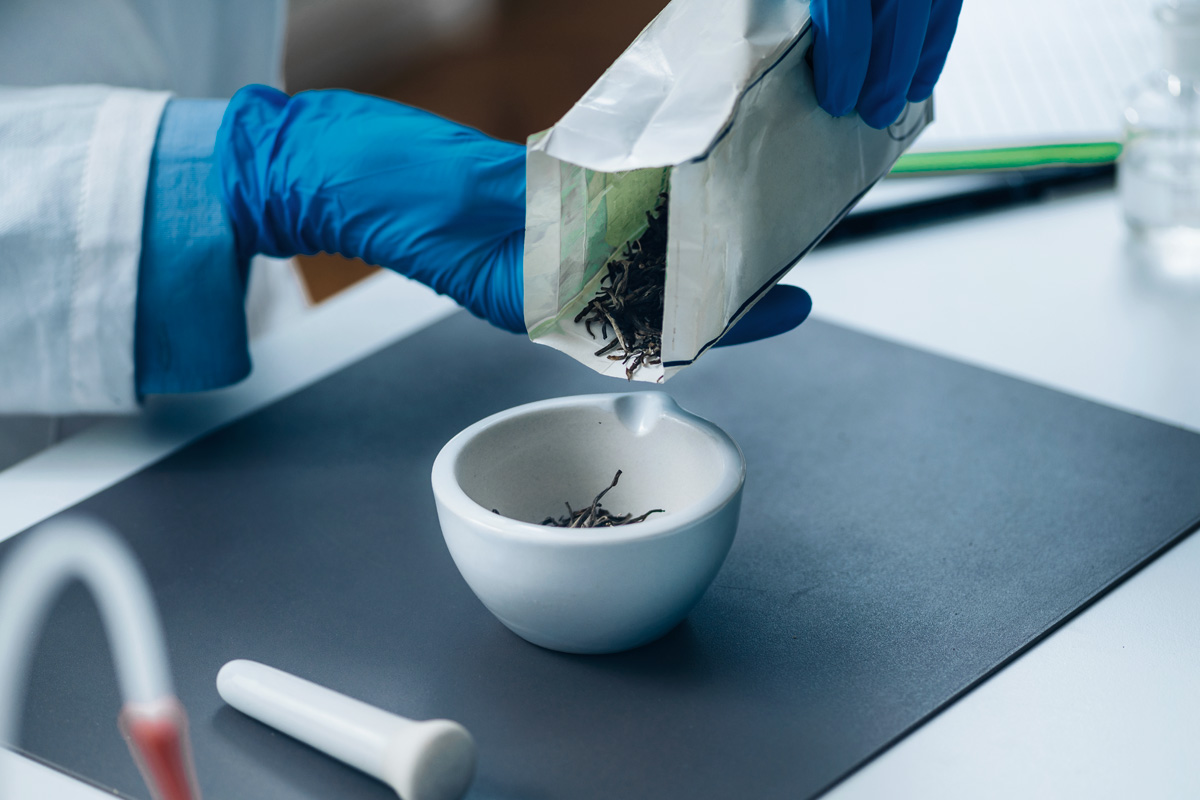
The modern trends and practices in the nutraceutical industry points to the increasing interest in natural products rather than synthetic compounds. Extraction and formulation technologies have also come a long way which helps some herbal components achieve their concentrated state where their natural benefits are preserved while going into appetite suppressant Korea formulations. The use of standardized extracts accounts for the potency and quality of appetite suppressants, thereby enhancing their effectiveness in controlling appetite and managing weight.
The Popularity of Traditional Korean Ingredients in the Global Market
The integration of traditional Korean ingredients into modern appetite suppressant Korea suggests us that the global audience is developing interest in natural health solutions that are endorsed by the ancient cultural wisdom. Consumers worldwide are becoming aware of the health benefits of traditional Asian herbs. Therefore, the opportunity in front of the Korean manufacturers to flood the market with their weight management products is only growing. Also, the growing emphasis on using natural ingredients points to the global trend towards clean-label products, which are known to be healthier and sustainable. Especially this trend is seen strong prominent among millennial and Gen Z consumers, who consider wellness and environmental sustainability while purchasing products.
Conclusion
The incorporation of traditional Korean ingredients in the modern appetite suppressant Korea formulations represents the convergence of heritage and innovation. By taking advantage of the most beneficial properties of some traditional Korean herbal ingredients like Korean red ginseng, green tea, lotus leaf, and seaweed, the modern day appetite suppressants Korea provide a natural and highly effective approach to weight management. As research continues to endorse the efficacy of these ingredients, the appeal of traditional Korean herbal formulations is growing in Korea and in the global market. This trend reflects a growing respect for cultural heritage and also responds to the evolving needs of consumers who seek natural and healthy solutions for wellness.